


A memorable hang-out would never complete without memorable photographs.
Twenty years years ago, teenagers queued up and hustled inside photo booths. Some spare money would be injected through a small slit – no difference from getting a coke from a random vending machine. Normally, customers make four postures as they wish, and the camera inside will automatically capture them. The oldest version of photo booth takes numerous minutes to prepare and print out a strip of 4 photos since traditional film is the sole material. Later on, versions using digital technology would allow customers to choose their photos, fix lightings and add cute stickers. The photo strip was then shared and stored privately.
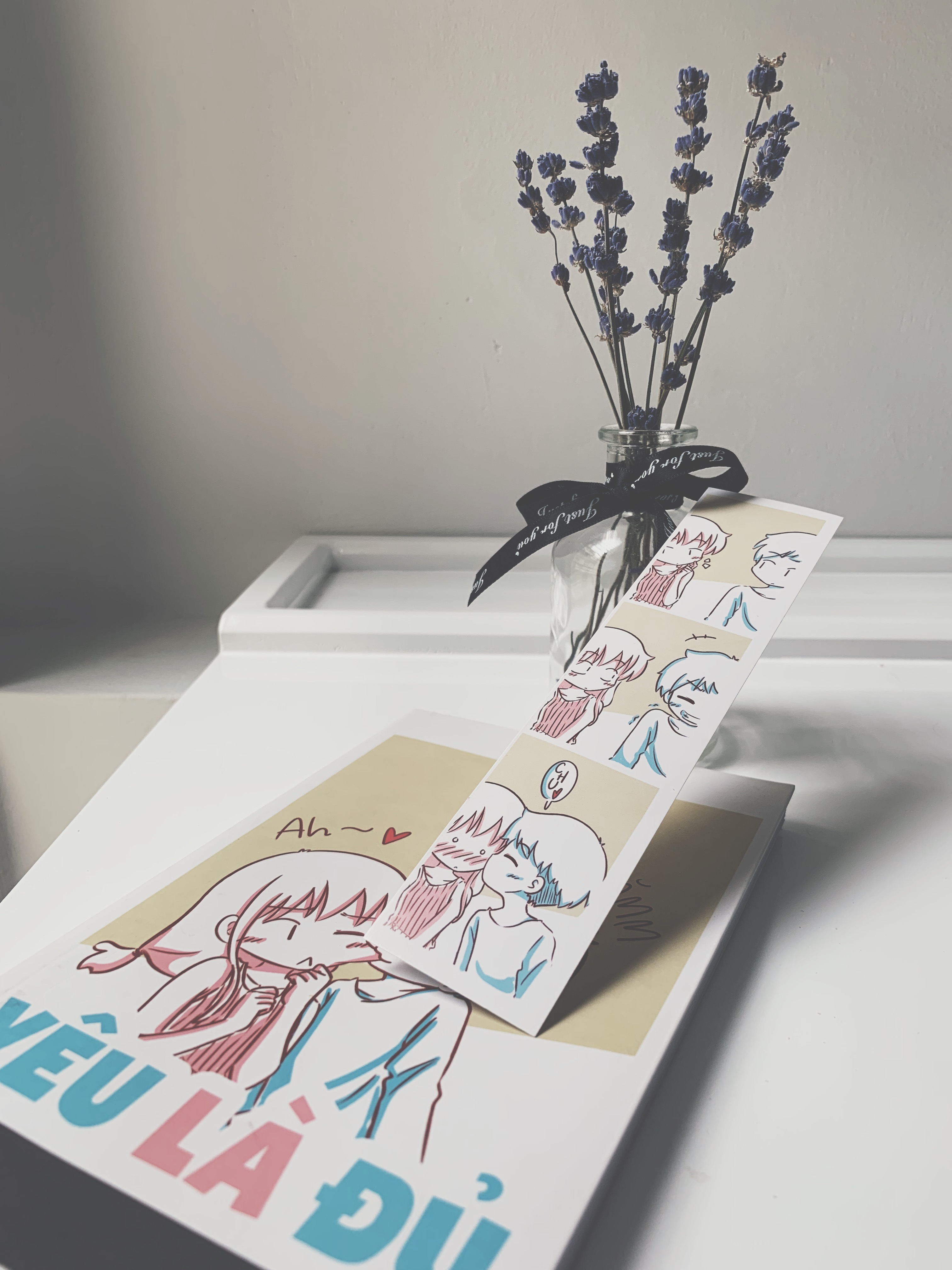
This might be the image of the old time’s photo strip.
There has been great “convergence”, or “[…] technological [and] cultural changes” (Gorman & McLean, 2009, pp. 232) in the photograph culture. In the year of 2019, photobooth is one classic yet unpopular choice. Small strips of photos are replaced by square blocks of stunning pictures and latest story updates from Instagram. This app presents itself as one living album, users can take photoshots/videos, give them quick filter, lightings, some stickers, and immediately share with fellows. All actions may be done in a blink, using one hand-sized smart device and internet. Every moment of you is no longer private since the app highly supports social connections and sharing.

The older generation nowadays, and us – young generation in the future, is and will definitely be overwhelmed when reminiscing “our” old times. The world has changed dramatically, and “media industries are finding ways to navigate this changed world, and that change is ongoing.” (Gorman & McLean, 2009, pp. 232). One day, Instagram would become an old dusty souvenir in our memory box, just like the old strip photo in my sibling’s diary – as one golden dust of our own time.
Pearl.
References
Gorman,
L., & McLean, D. (2009). The rise of new media. In L. Gorman & D.
McLean, Media and Society into the 21st Century: A Historical Introduction (2nd ed., pp.
230-263). Oxford: Wiley-Blackwell.


